

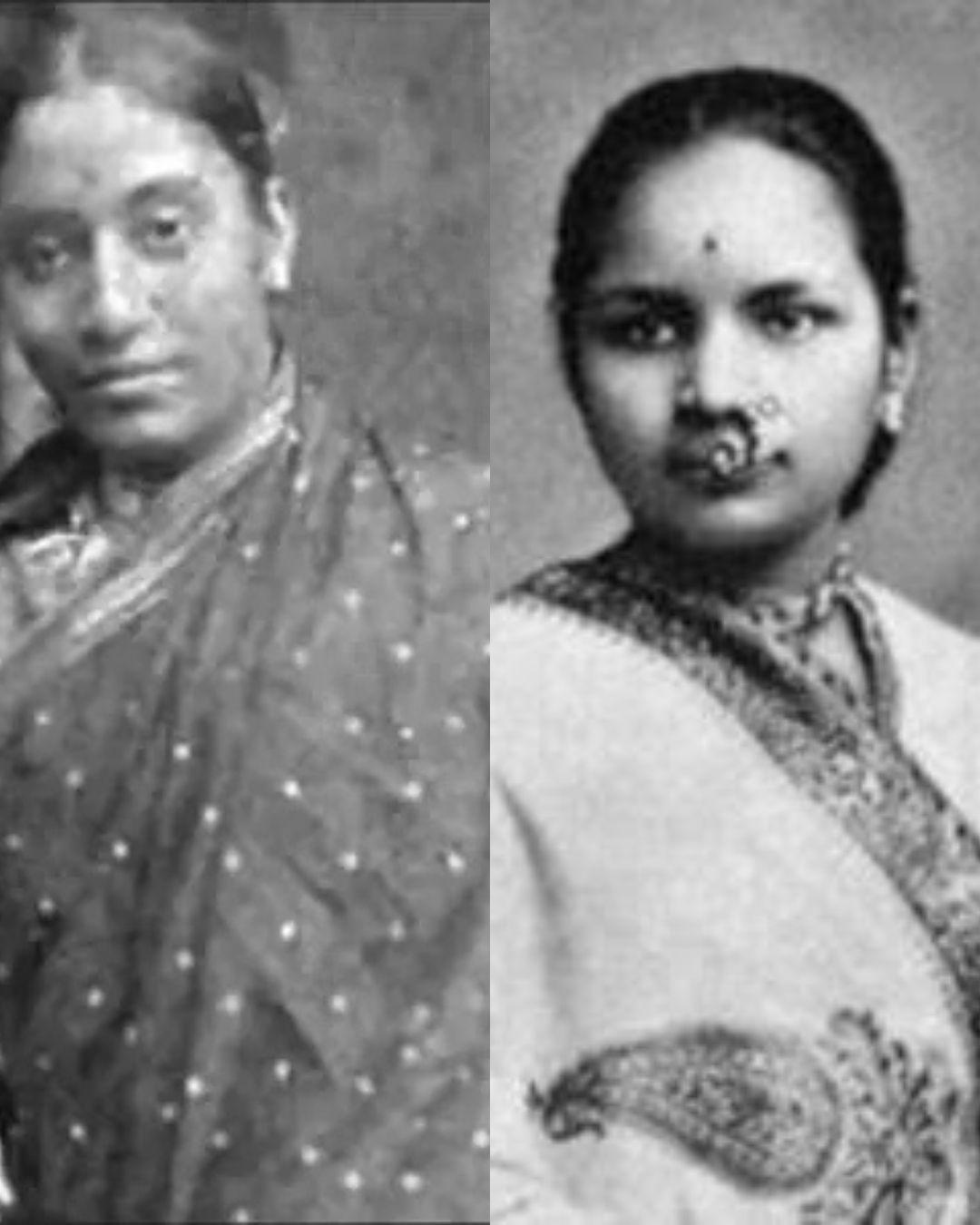
India’s healthcare owes a huge debt to extraordinary women from the 19th and early 20th centuries. These brave souls broke through child marriages, British colonial rules, and deep family biases to become doctors and reformers. They built clinics for women stuck in purdah, which means the custom of keeping women secluded from public view, and fought for better health access. Today, women make up 80 percent of the nursing workforce, 29 percent of all doctors, and are growing in research and teaching roles, yet top leadership positions in private hospitals stand at only 27.5 percent. Their grit laid the foundation for this largely female-led field.
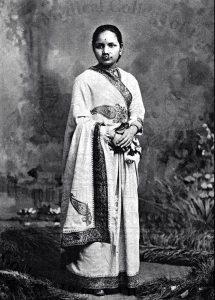 Anandibai Joshi
Anandibai Joshi became India’s first woman doctor despite huge hurdles. Married at nine years old to an older postman, she suffered the heartbreaking loss of her young children to illness, which sparked her burning dream to heal others. American missionary letters published in Indian newspapers won her crucial support to study abroad. In 1883, she bravely sailed to the United States and joined the Women’s Medical College of Pennsylvania. She graduated with a degree in gynecology at the young age of 21 in 1886, but died tragically soon after returning home from tuberculosis, leaving behind a powerful legacy that inspired countless future women.
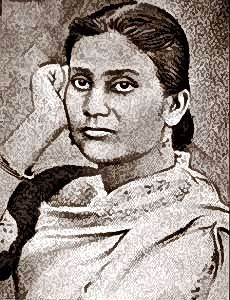 Kadambini Ganguly
Kadambini Ganguly made history as one of the first women to graduate from Calcutta Medical College in 1886. As a devoted mother to eight children, she performed surgeries and delivered babies, often providing her services for free to those in need. The Dufferin Fund, launched in 1885 by Lady Dufferin, wife of the Viceroy, was a British charity aimed at training Indian women doctors to treat secluded female patients in their homes; this fund hired her but unfairly paid her only half the wage of male doctors. Despite this blatant discrimination, she ran her own clinics and strongly advocated for medical care exclusively by women for women. Her unyielding fight exposed the harsh double challenges of gender inequality and colonial prejudice in Indian medicine.
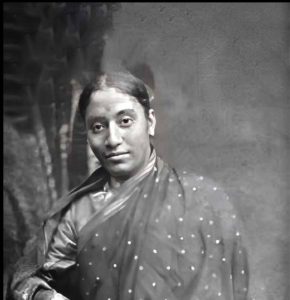 Rukhmabai Raut
Rukhmabai Raut grabbed national headlines by boldly rejecting her child marriage at the tender age of 11 to a husband twice her age. Her dramatic court battle against forced consummation helped spark the passage of the Age of Consent Act in 1891, raising the marriage age for girls. Once cleared, she pursued studies at the School of Medicine for Women in London. Upon returning to India, she became the country’s first practicing lady doctor, specializing in treating women secluded in zenana settings. Her groundbreaking work linked vital legal reforms directly to improvements in healthcare, proving that sharp intellect could triumph over rigid traditions.
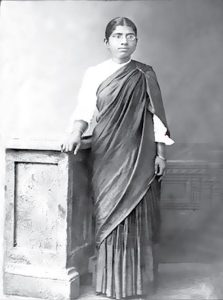 Muthulakshmi Reddy
Muthulakshmi Reddy rose from the marginalized background of a devadasi, or temple dancer, to become India’s first female legislator and a dedicated medical reformer. She gained admission to Madras Medical College in 1903, overcoming intense caste-based opposition. Years later, in 1954, she founded the Adyar Cancer Institute, which remains India’s leading center for cancer treatment and research. As a lawmaker, she successfully pushed to criminalize the devadasi system and championed education for girls, seamlessly blending hands-on clinical practice with bold policy changes. Her tireless efforts uplifted countless women from society’s fringes into better health and opportunities.
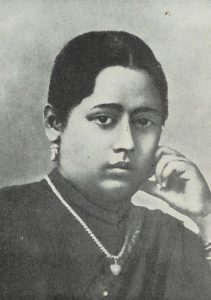 Chandramukhi Basu
Chandramukhi Basu earned distinction as one of the first Indian women to obtain a medical degree from a university in London during the 1880s, and she was related to a classmate of Kadambini Ganguly. Returning to Bengal, she devoted her professional life to zenana medicine, providing care to women who were culturally forbidden from seeing male physicians. Through discreet home visits and shifts in dedicated hospitals, she quietly built a respected career. She also contributed to the education of other women in medicine, challenging the skepticism of even missionary doctors. Her persistent, low-key efforts played a key role in making female doctors an accepted part of everyday healthcare.
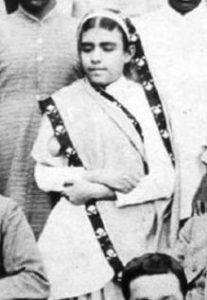 Rupa Bai Furdoonji
Rupa Bai Furdoonji secured her Licentiate of Midwifery qualification in 1887 from a college in Bombay, marking her as one of the earliest women doctors from the Parsi community. She specialized in treating eye diseases and performed numerous surgeries at a hospital dedicated to women and children. During devastating plague outbreaks, her hands-on work highlighted the critical need for female medical professionals in public health emergencies. She steadily expanded healthcare access in bustling urban areas without seeking the spotlight. Her skilled interventions brought relief and hope to many overlooked patients.
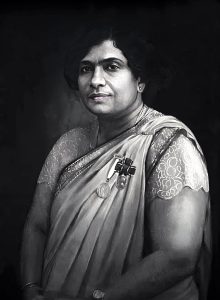 Mary Poonen Lukose
Mary Poonen Lukose made history as the world’s first woman to serve as Surgeon General, taking the role in the princely state of Travancore in 1924. Trained rigorously in London, she confronted diseases like leprosy and focused intensely on maternal health issues. She established new hospitals and personally trained large groups of nurses to improve care standards. Her exceptional administrative skills elevated women from routine bedside duties to high-level leadership positions. The healthcare models she developed in the state placed a strong emphasis on the needs of female patients, influencing practices far beyond her tenure.
These pioneering women endured child marriages as early as nine years old, colonial wage gaps where Indian doctors received less pay than Europeans, and widespread ridicule. The Dufferin Fund, started in 1885 and supported by Queen Victoria, offered scholarships and set up hospitals to train Indian women specifically for treating secluded women in their homes, but it came with strict limitations to uphold customs like purdah. Male doctors were barred from entering private women’s quarters, creating an urgent need these women filled. Societal norms labeled them unfit or immoral for public roles. Yet they pressed on, reshaping medicine one patient at a time.
The determined efforts of these women led to the creation of dedicated medical colleges for females and key social reforms, such as allowing widow remarriage. In the present day, women constitute 80 percent of the nursing workforce, with 16.1 registered nurses and midwives per 10,000 people, though many lack full qualifications, and approach equal numbers with men in undergraduate doctor training programs, even as postgraduate specialization remains a challenge. They continue to inspire researchers tackling non-communicable diseases and academics guiding the next wave of healthcare professionals. Their foundational resilience fuels the push for true gender equity in leadership. Modern medicine stands taller on its shoulders.
Reflecting on these unsung giants reveals journeys of profound defiance and unwavering devotion, transforming personal tragedies into triumphs that reshaped an entire nation. From child brides emerging as medical beacons to reformers challenging empires, each story weaves a tapestry of courage that still moves us deeply. Their hands healed the sick in hidden homes, their voices reformed unjust laws, and their visions built institutions enduring today, saving mothers, easing births, and lighting paths for daughters. Even icons like Florence Nightingale faltered in doubt, but these women proved unyieldingly that compassion and intellect know no gender. As we honor their legacy amid today’s vibrant female workforce in nursing, research, and beyond, let gratitude swell: their bold, unbreakable steps demand celebration, ensuring their spirit guides healthcare’s future with enduring grace and power.
We are running and sharing the voices that lead, voices that last. This article is part of the International Women’s Day campaign being run by Veloxx Media to celebrate the voices of women who are leading different domains critical to the world.

