

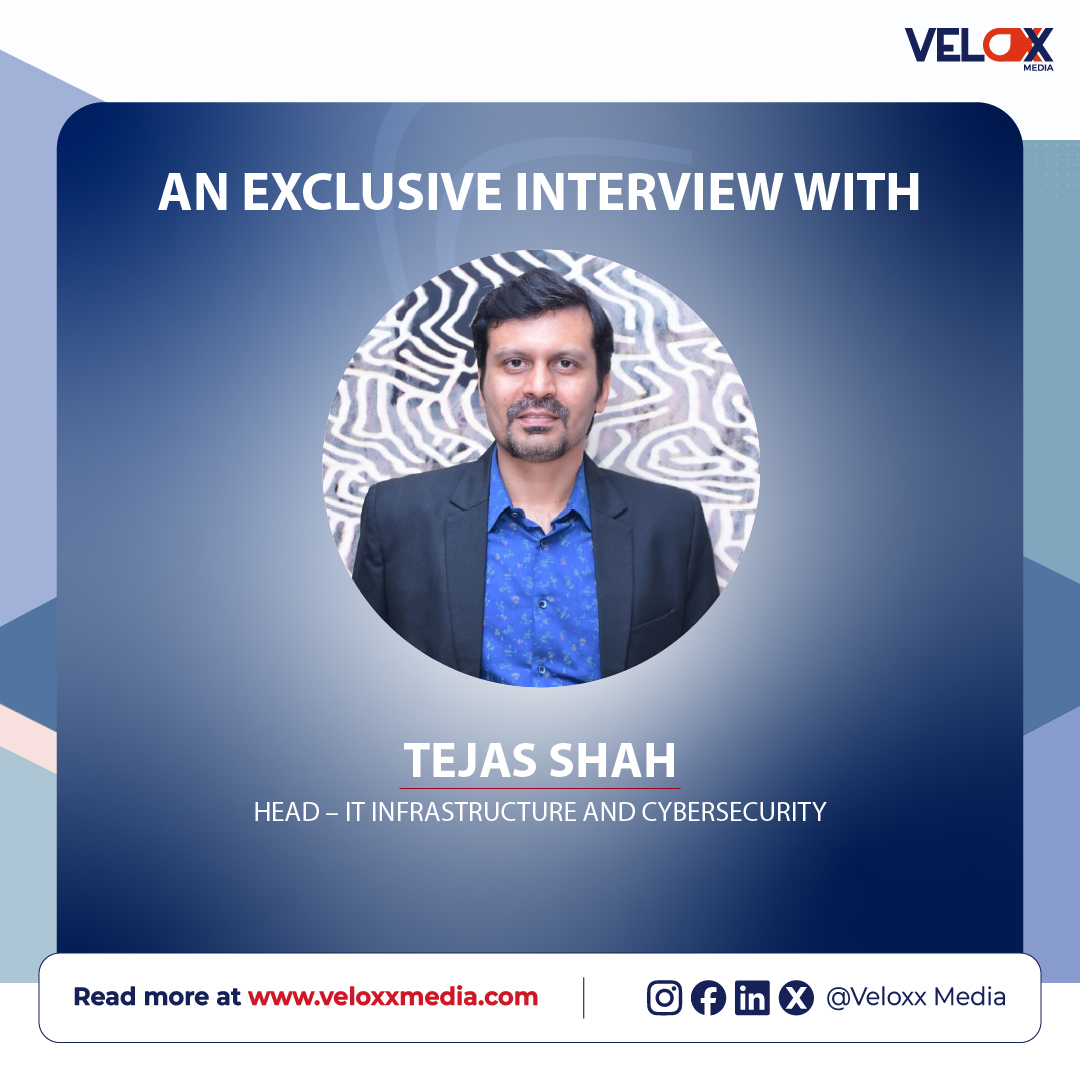
1. How do you see AI and automation reshaping the future of the digital
workplace?
AI and automation will take over repetitive, time-consuming activities and allow
employees to focus on decision-making, innovation and customers.
Example: Instead of an employee manually creating a daily sales report, AI can collect
data from ERP systems and prepare the report automatically.
Recommendation: Automate routine work, not human thinking.
2. What role will AI play in improving productivity and employee experience?
AI will act like a digital assistant, helping employees find information, draft documents,
analyse data and complete tasks faster.
Example: An employee can simply ask, “Show me last month’s sales performance,”
instead of searching through multiple systems.
Recommendation: Use AI to make employees’ jobs easier, not to make them feel
replaced.
3. Which areas of the employee journey have the greatest potential for
automation?
Recruitment, onboarding, HR queries, learning, performance management, IT support,
expense claims and employee self-service have strong potential.
Example: A new employee can receive laptop access, email setup, policies and training
automatically from Day 1.
Recommendation: Start with high-volume, repetitive employee processes.
4. How can organisations balance automation with meaningful human
interaction?
Technology should handle speed and routine, while people handle empathy,
relationships and important decisions.
Example: An AI chatbot can answer an HR policy question, but a sensitive employee
grievance should be handled by a person.
Recommendation: Automate transactions; humanise important interactions.
5. How can organisations ensure technology adoption remains employee-centric?
Technology should be introduced based on employee needs and pain points, rather
than simply because it is new technology.
Example: Before introducing a new collaboration tool, ask employees what problems
they currently face with communication.
Recommendation: Design technology around people, not people around technology.
6. How can AI create personalised and seamless employee experiences?
AI can understand an employee’s role, preferences and work patterns and provide
relevant information and support.
Example: A sales employee could automatically receive sales dashboards and
customer insights, while an HR employee receives HR-related analytics.
Recommendation: Move from “one solution for everyone” to “right information for the
right person.”
7. What are the key challenges in integrating AI and automation?
The biggest challenges are data privacy, cybersecurity, integration with legacy systems,
cost, employee resistance and lack of AI skills.
Example: An AI tool is only as good as the data it receives; incorrect data can result in
incorrect decisions.
Recommendation: Build strong data, security and governance foundations before
scaling AI.
8. How important is change management?
Change management is critical. Employees need to understand why the change is
happening, how it benefits them and how they can use the new technology.
Example: Giving employees an AI tool without training is like giving someone a
smartphone without explaining how to use it.
Recommendation: Communicate, train, demonstrate benefits and continuously support
employees.
9. What skills should organisations develop as AI becomes part of everyday
work?
Organisations should focus on AI literacy, data literacy, cybersecurity awareness,
critical thinking, problem-solving, creativity and communication.
Example: Employees should know not only how to ask AI a question, but also how to
check whether the AI's answer is correct.
Recommendation: Build AI-capable employees, not just AI-enabled systems.
10. What will define a successful digital workplace, and how should organisations
prepare?
A successful digital workplace will be simple, secure, connected, intelligent and
employee-friendly. The real measure will not be the number of technologies
implemented, but the improvement in employee productivity and experience.
Example: If an employee can complete in 5 minutes what previously took 30 minutes
across multiple systems, that is successful digital transformation.
Recommendation: Focus on business outcomes and employee experience—not
technology for technology’s sake.
Overall Gist
The future workplace should be “AI-powered but human-led.” AI and automation should
remove repetitive work, provide intelligent assistance and personalise experiences,
while humans continue to provide leadership, creativity, empathy, judgement and
innovation.
In simple terms: Let technology do the work that machines do best, so people can focus
on the work that people do best.
Traditional AI mainly answers questions or generates content. Agentic AI goes one step
further—it can understand a goal, plan the steps, use different systems and execute the
task with limited human intervention.
Simple example:
An employee says: “I am joining the company next Monday. Please arrange everything I
need.”
Instead of simply providing a checklist, an Agentic AI workplace assistant could:
Create the employee onboarding request
Coordinate with HR
Trigger laptop and application provisioning through IT
Arrange access to ERP, email and collaboration tools
Assign mandatory training
Send the employee a personalised onboarding schedule
Follow up on anything that is still pending
So, instead of “AI tells you what to do,” Agentic AI can “help get the work done.”
“The digital workplace is moving from AI that answers, to Agentic AI that acts—creating
a workplace where employees can focus on outcomes rather than processes.”

