
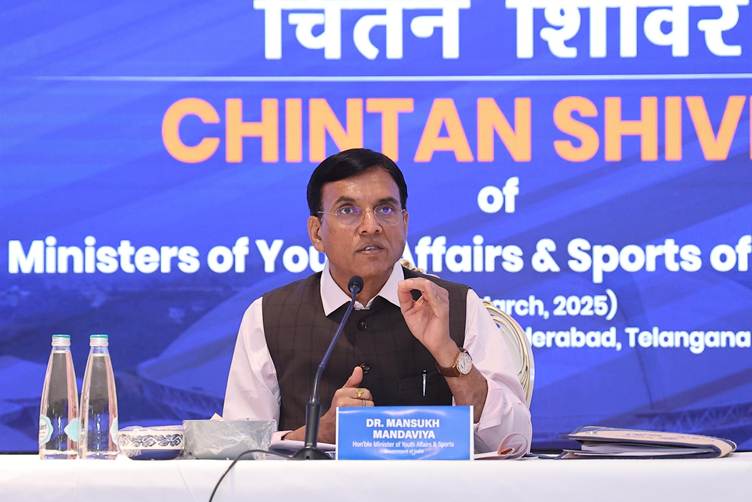
The Ministry of Steel organized a one-day Chintan Shivir at the National Institute of Secondary Steel Technology (NISST) in Mandi Gobindgarh, Punjab, to deliberate on advancing green steel production, particularly in the secondary steel sector. Inaugurated by Sandeep Poundrik, Secretary of Steel, alongside Additional Secretary & Financial Advisor, Joint Secretary, and other officials, the event gathered policymakers, industry representatives, technical experts, and CPSE officials. Discussions emphasized sustainable practices to align India’s steel industry with global decarbonization goals. India’s secondary steel sector contributes nearly 47% of the nation’s total steel output, fueling 8-10% annual growth in production, consumption, and capacity. Poundrik highlighted this unique expansion while praising NISST’s contributions, including bi-monthly training programs across major steel clusters. As the nodal agency for green steel certification, NISST has issued certificates to 76 industries, covering 10.98 million tonnes of capacity.
The Ministry is developing an incentive scheme to promote technology upgrades in secondary steel, targeting reduced carbon emissions. Daya Nidhan Pandey, Joint Secretary
and NISST Chairman, stressed the institute’s capacity-building role. Sessions explored
low-carbon innovations like green hydrogen injection in blast furnaces, hydrogen in rotary
kiln iron-making, Battery Energy Storage Systems (BESS) for renewable integration, and
vertical shaft DRI with water gas for fuel flexibility.
Key challenges included export opportunities for alloy steel amid the EU’s Carbon Border
Adjustment Mechanism (CBAM). The Shivir aimed to accelerate breakthroughs in green
technologies, fostering India’s transition to sustainable steelmaking and long-term industrial competitiveness. This initiative supports national targets like 500 MT capacity by 2047, positioning India as a green steel leader.
Chintan Shivir Kickstarts Green Steel Discussions in India


RELATED ARTICLES
